When oxygen from the air passes over small pieces of iron inside the battery, the iron rusts and produces electricity. To recharge the battery, an electric current removes the oxygen from the rust, turning it back into iron
Every week we can read about some new & exotic chemical processes that can (maybe, hopefully 😇) be used for batteries… but “the iron and the rust”, that is old.
So: Why haven’t we heard of any iron-rust-batteries before?
Form’s iron-air batteries are heavier and less efficient than their counterparts; they can only return about 50% to 70% of the energy used to charge them
Oh. Damn.
So, that’s why, I guess. 50% sounds terrible.
almost three times as cheap
Oops? Now we are in business again? Maybe, hopefully 😇
It’s also clever politics. Minnesota has the largest iron mining operations in the entire United States, so choosing iron as your core battery technology is a smart (albeit cynical) way to drum to some local support with the promise of bringing new demand back to the taconite mines.
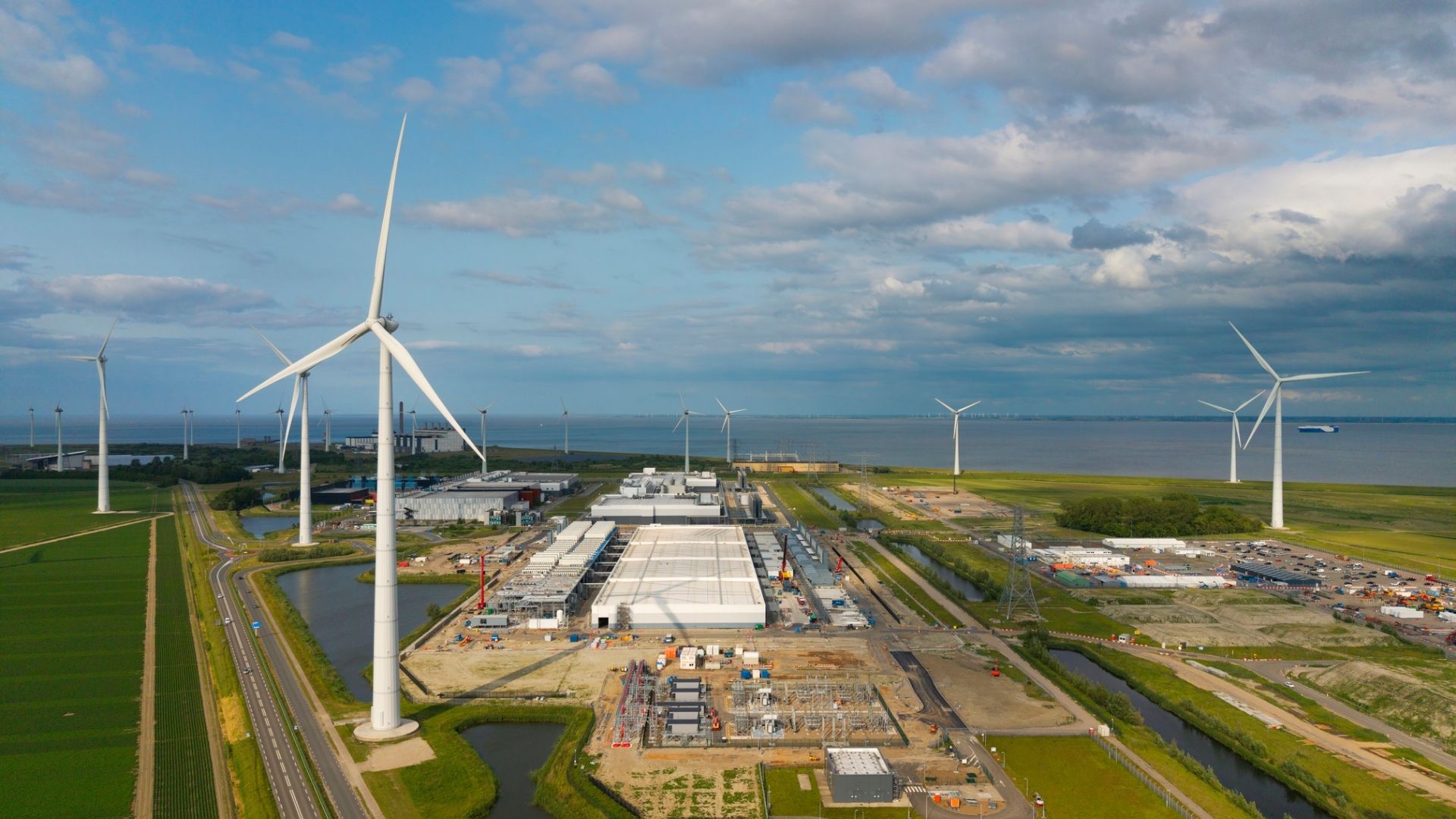
Whether that will be strong enough to overcome the extreme negative sentiments around datacenter projects? Who knows…


Every week we can read about some new & exotic chemical processes that can (maybe, hopefully 😇) be used for batteries… but “the iron and the rust”, that is old.
So: Why haven’t we heard of any iron-rust-batteries before?
Oh. Damn.
So, that’s why, I guess. 50% sounds terrible.
Oops? Now we are in business again? Maybe, hopefully 😇
I really find it interesting.
It’s also clever politics. Minnesota has the largest iron mining operations in the entire United States, so choosing iron as your core battery technology is a smart (albeit cynical) way to drum to some local support with the promise of bringing new demand back to the taconite mines.
Whether that will be strong enough to overcome the extreme negative sentiments around datacenter projects? Who knows…