

(I don’t plan on this becoming a series, but I’d love to talk about more indie titles that I liked in the past few years. and I hope you’ll enjoy reading my thoughts on them!)
LumenTale is an upcoming monster collector with a planned Spring 2026 release date at the time of this writing. The story follows the protagonist, Trey, who wakes up deep in a forest without his memories and decides to become a “Lumen” (this world’s equivalent of Pokémon trainers) to explore the region and learn more about his past.
Amnesia in 2026? A bit cliché, if you ask me.
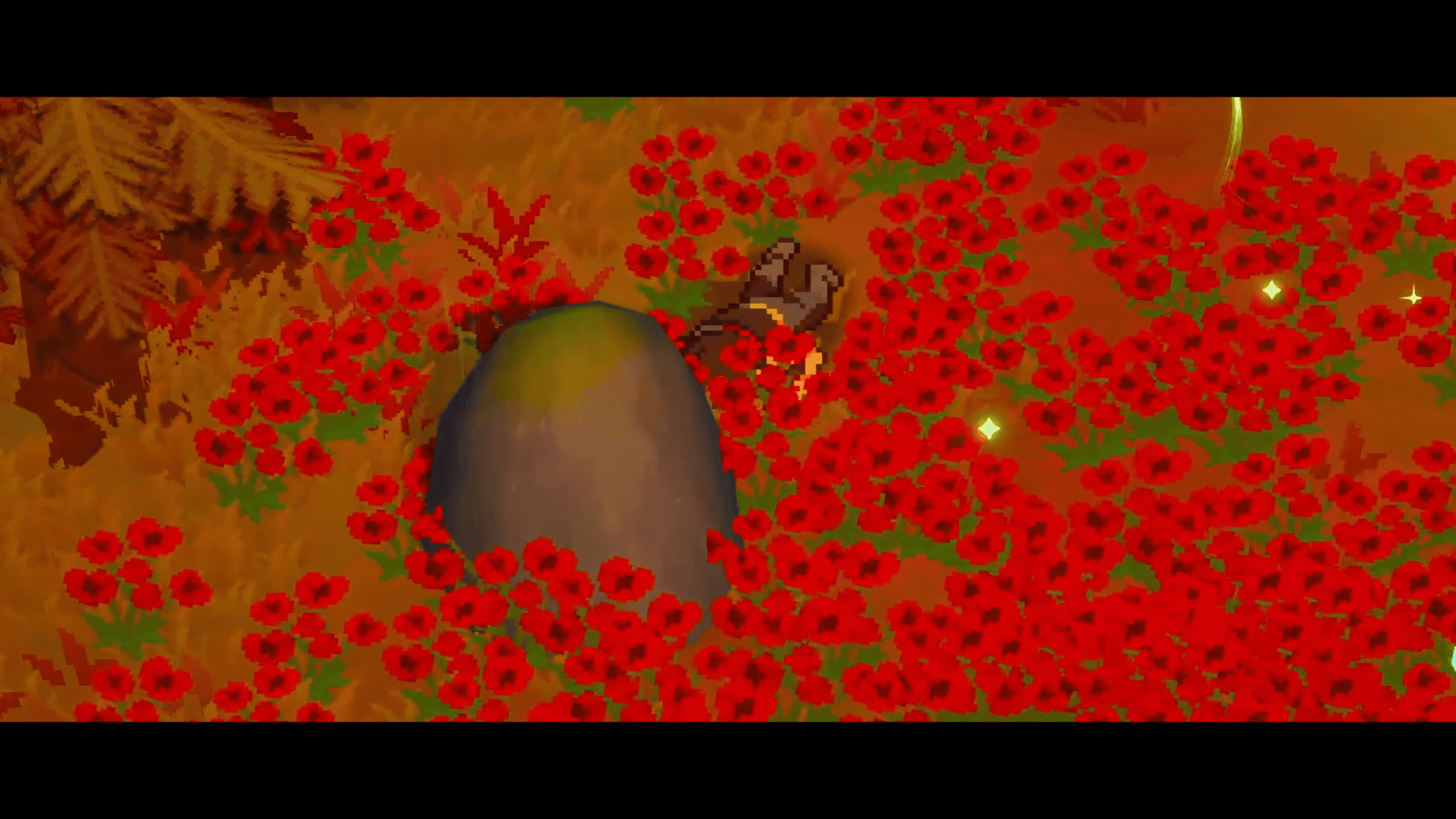
The game promises to be a story-heavy RPG, and yes, there is a lot of text in the demo. Buyer beware. But where the game truly shines is when it lets the player breathe and explore at their own pace, meeting the colorful cast of critters on the way to their next quest marker. From the five starter monsters to the dwellers of the nearby forest, the monster design is the selling point of the game, and I honestly think it’s the best in the genre - including some of the lastest generations from its multi-billionaire competitor.
If anything was to happen to Almyuna, I’d kill everyone in this room and then myself.
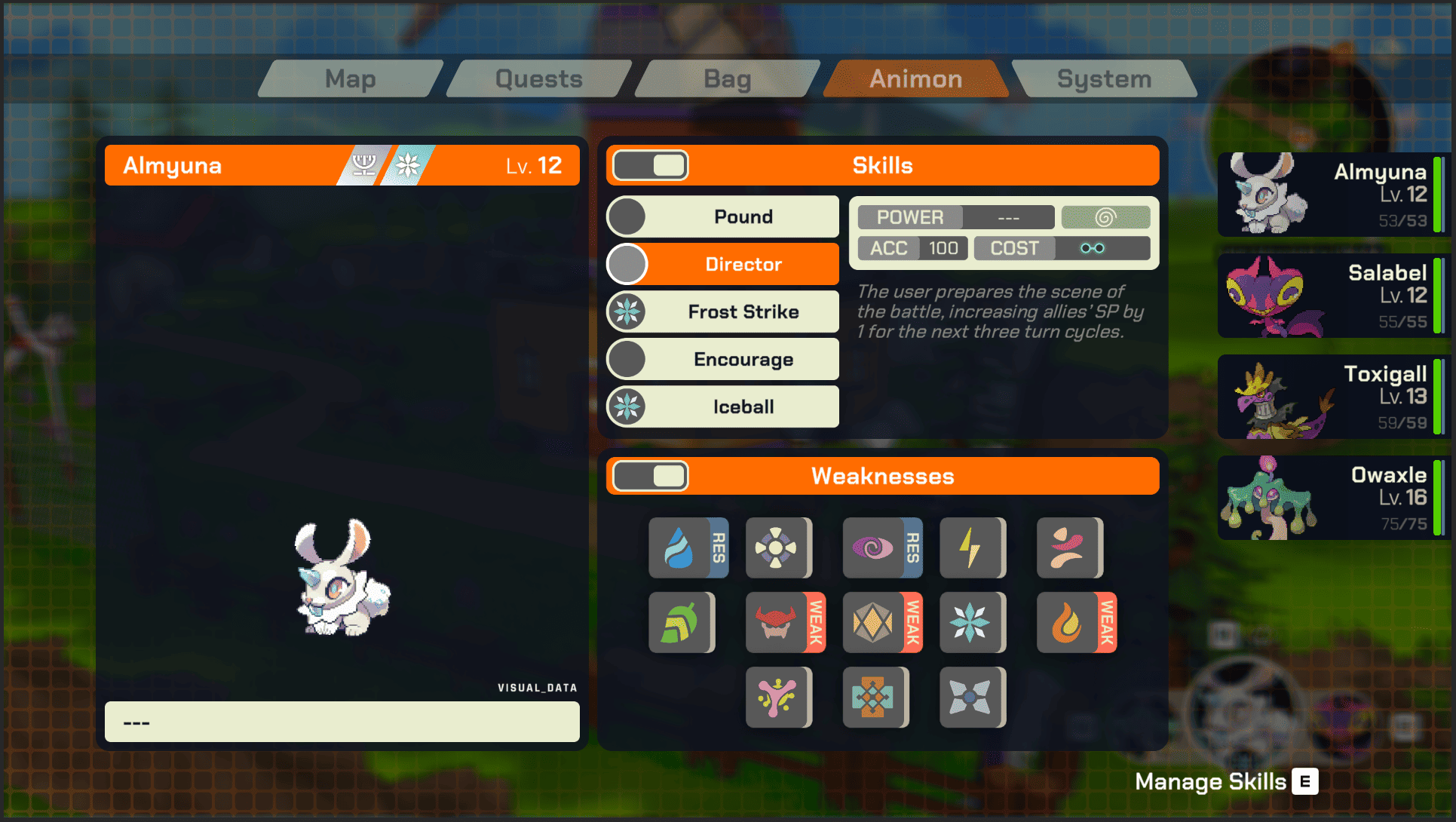
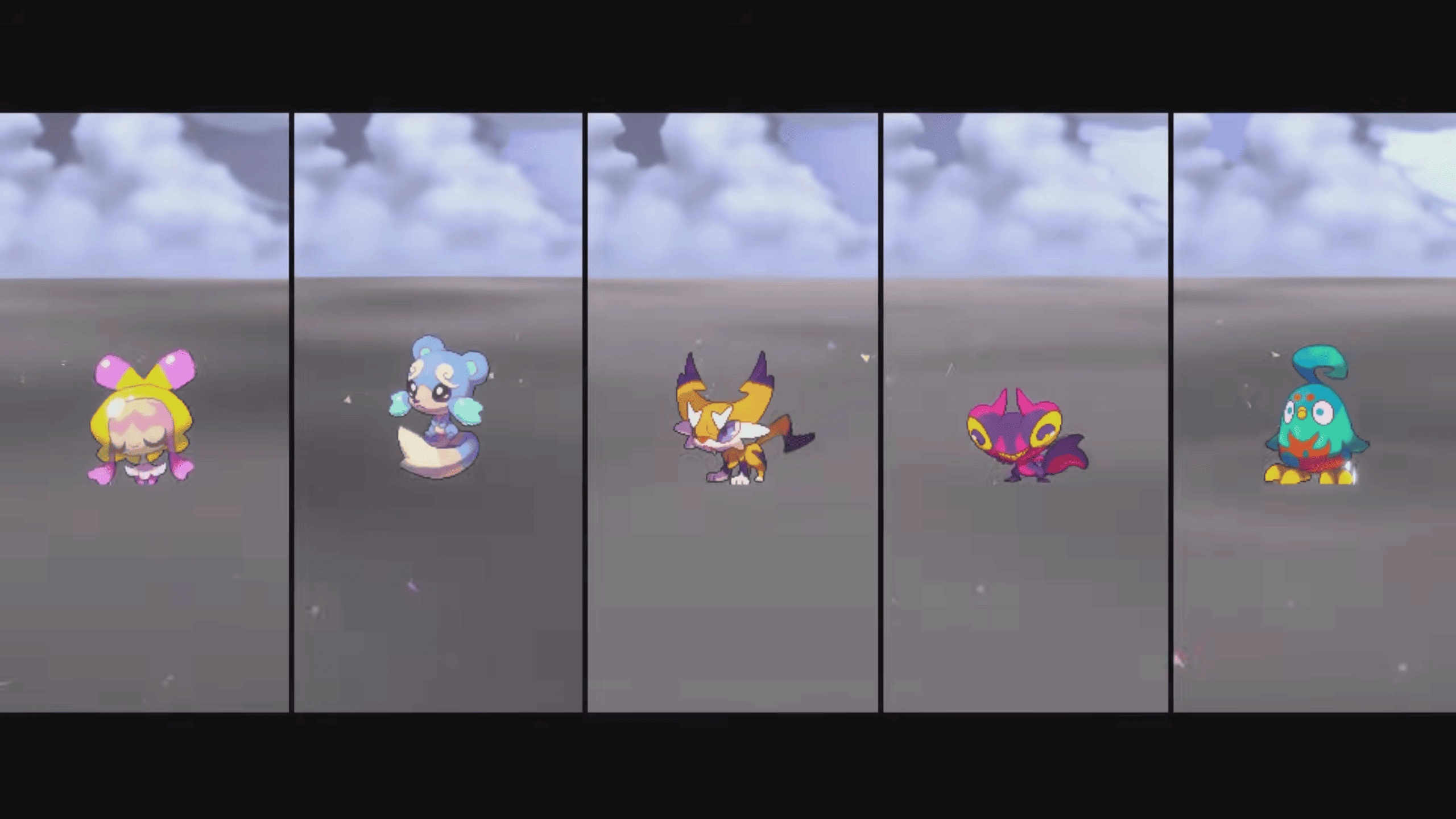
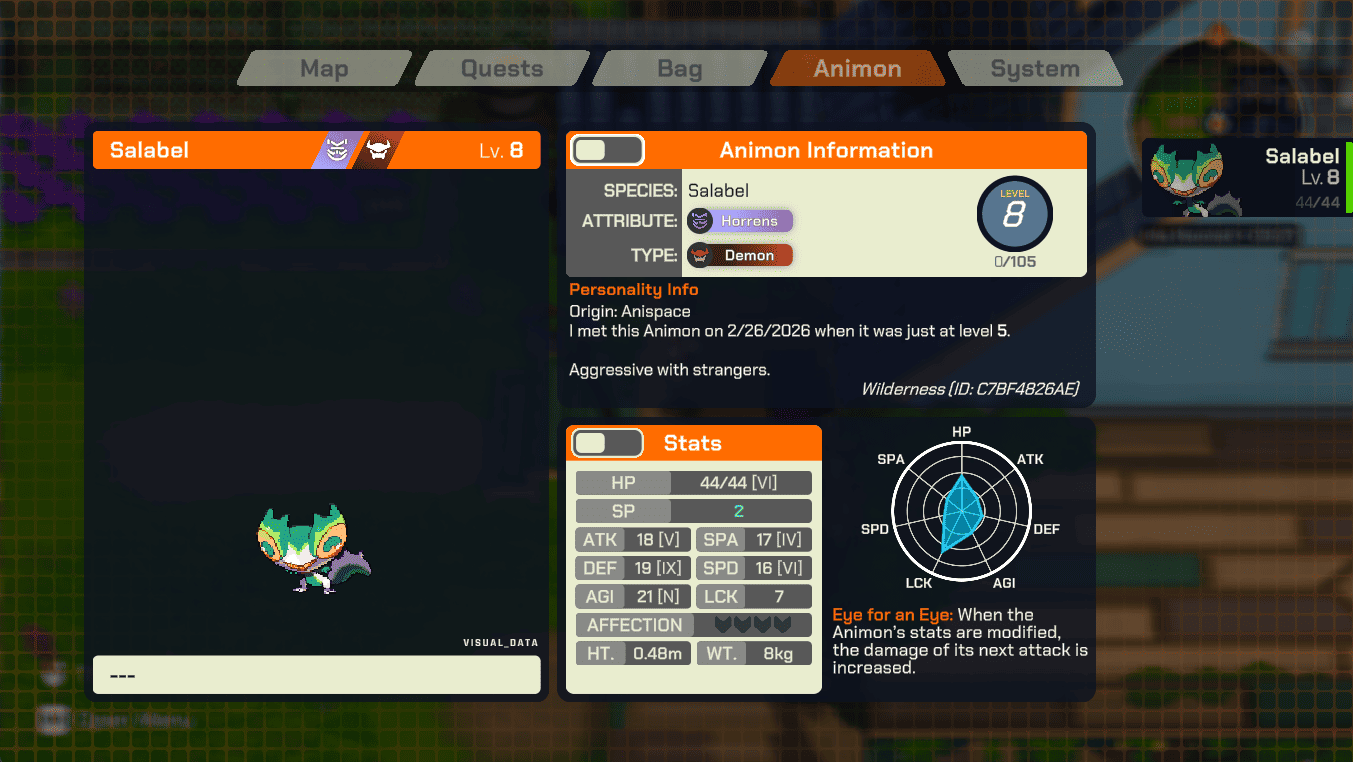
Animon - that’s what these critters are called - are pure emotions coalesced into monster form: they may be born from happiness (Felicis), rage (Furor), sadness (Mestus), deceitfulness (Horrens) or serenity (Sereum). These emotions play an active role in battles, as they can be used to trigger the Animon’s hidden quirk - for example, Felicis Animon can heal the party, while Furor ones can deal additional damage. I always come back to this, but the art direction is stunning, and I love how the artists incorporated those emotion into the monsters’ design, reinforcing the idea that these creatures are literally born from feelings. I hope emotions will play an even bigger part in the gameplay as the story unfolds.
The developers have been tight-lipped and have only showed a bunch of Animon so far, but every one of them has became my favourite critter in videogame history. If you think I’m overselling them, take a look for yourself!
Try to pair the starters with their respective emotion!
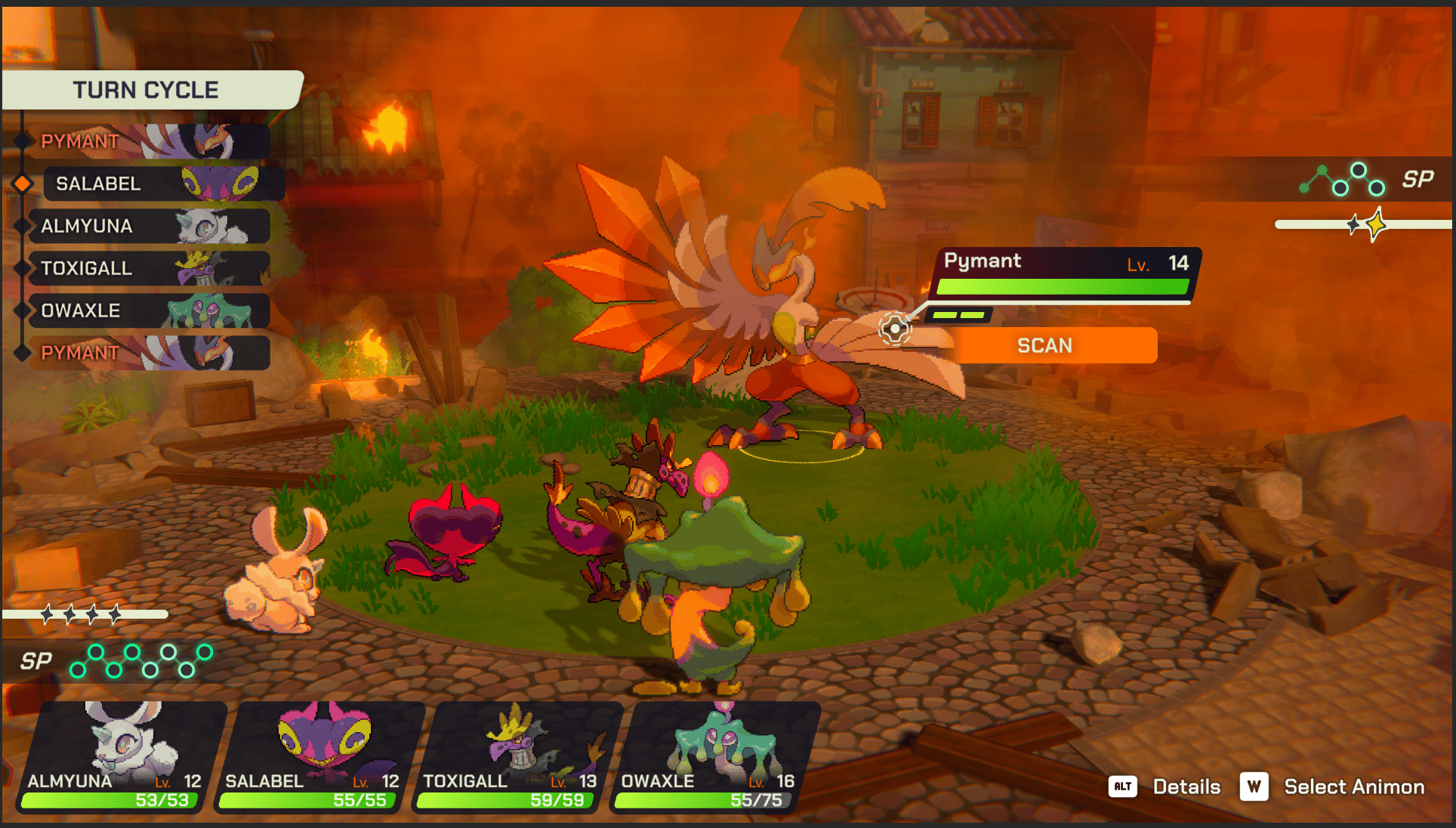
The gameplay is standard monster collector fare: send your monsters onto the field (up to four at a time, which is unusually high) and engage in turn-based combat, using super-effective moves to deplete the enemy’s health bar. I love turn-based games, but fielding four monsters at once makes for a chaotic environment where planning my strategy became a bit too difficult for my little brain - although, to be fair, I only played with the combat system for a few hours, certainly not enough to understand its intricacies. On the other hand, main boss battles are fought against a single strong Animon, which possesses additional health bars and can execute two moves per round. I think the game truly shines at times like these.
The epic music in the background really sells the urgency of the situation.
The environments shown in the demo are pretty standard RPG fare - a bucolic village, and forest stuck in perpetual autumn - but the game promises an interesting spin. You see, most RPGs are based on Western Medieval European culture, but this game’s devs are Italian, and they’re dying to let you know it. The game’s world is, quite literally, fantasy Italy, called “Talea”. When read in English, it sounds like the Italian pronounciation of their country (clever!). Talea is split into a technocratic north, Logos, and a religious conservative south, Mythos: two halves divided by a centuries-long war that ended not too long ago, but whose scars still plague the collective memory of its citizens. If you know Italian lore, it’s not too far from the truth.
The devs have promised fantasy renditions of their most iconic locations, including Rome, Naples and Milan, but they really sold me on the idea when I watched the trailers and noticed that these locations haven’t been tranported into the game 1:1, but mixed with other cultures as well. There are Japanese vibes in Mirasilva, for example, which seems the game’s take on real-life Alberobello.
Weebs have conquered southern Italy, apparently.
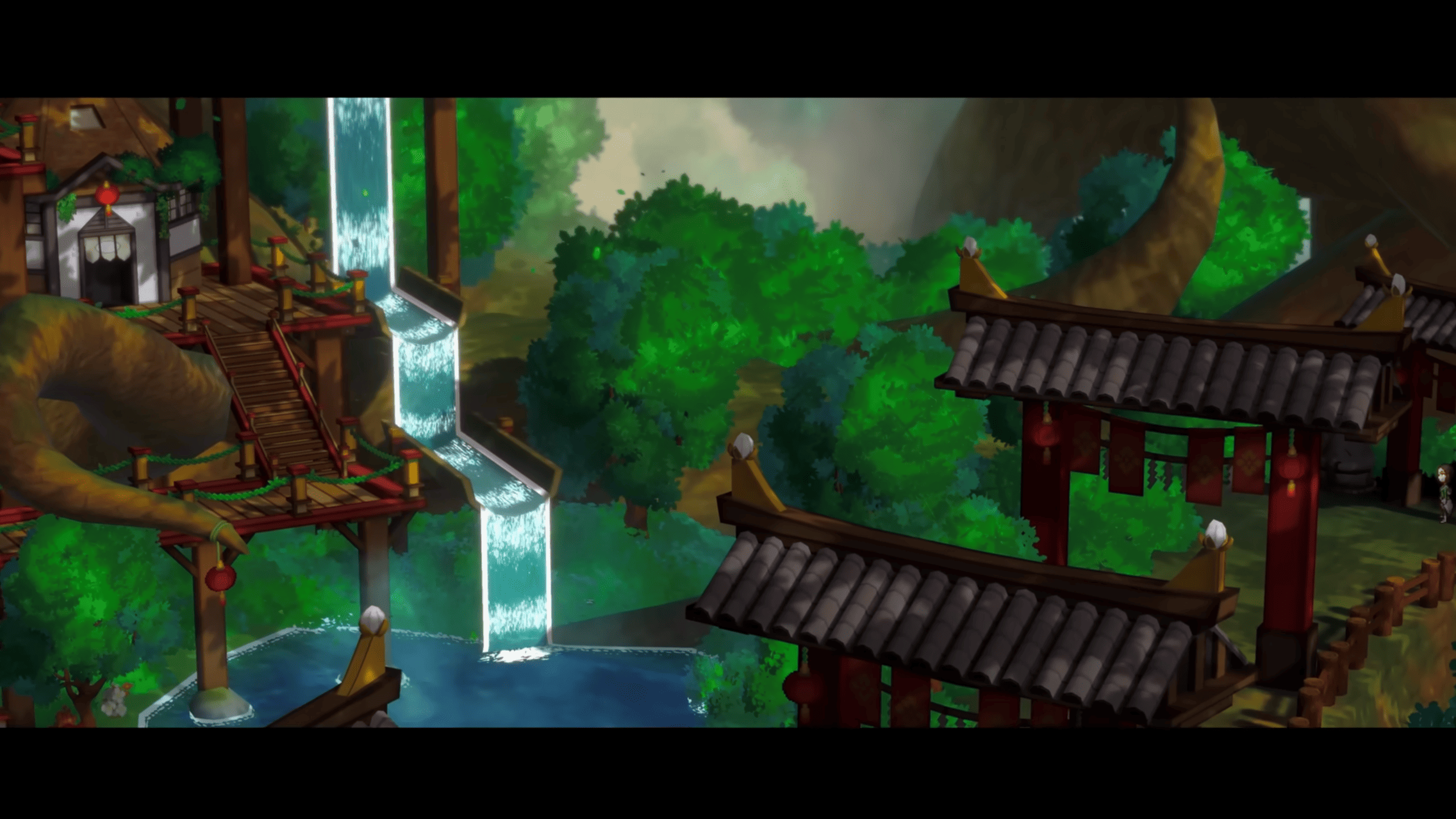
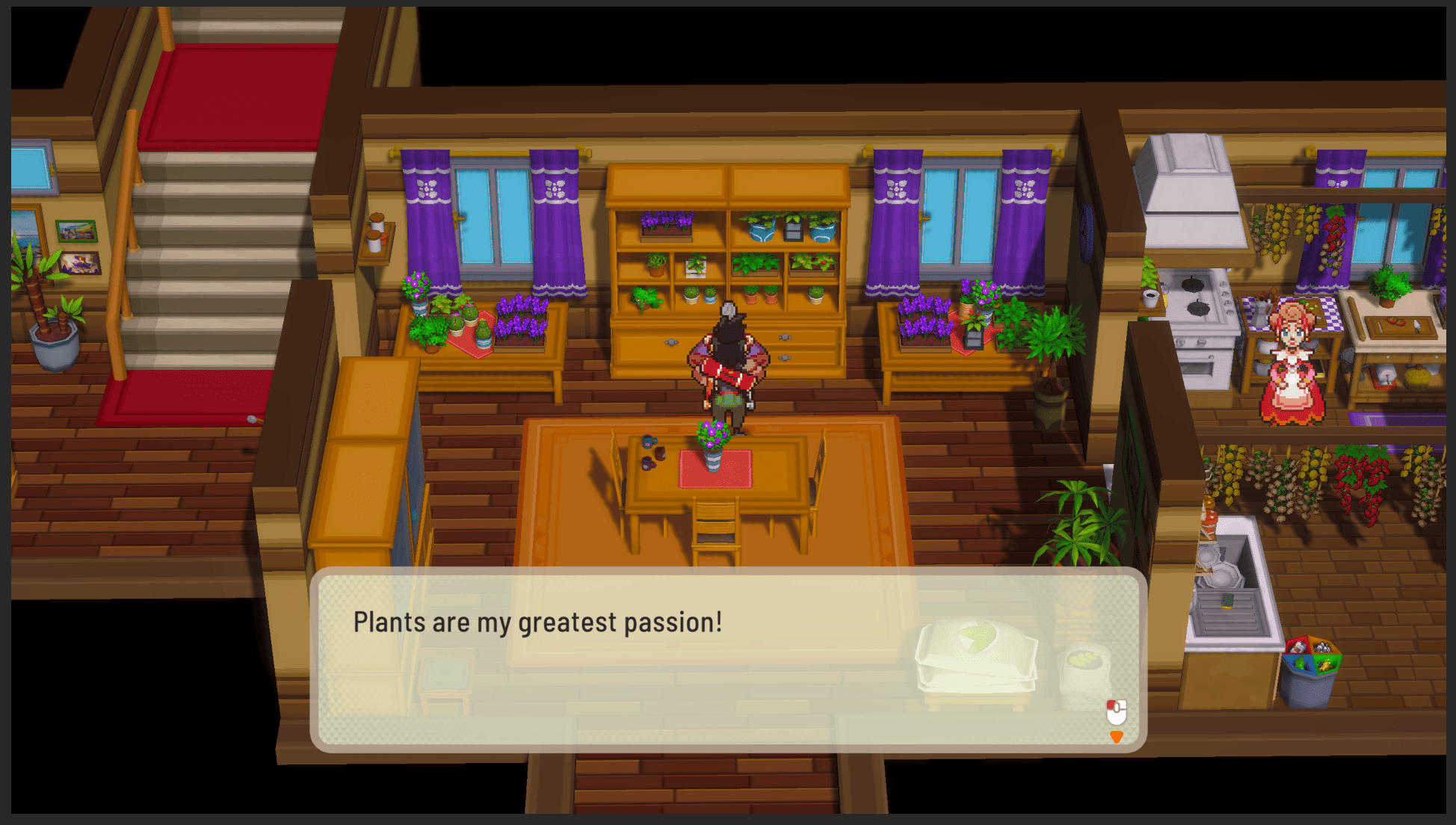
The graphics are colorful, with vibrant palettes and unusually detailed environment design - I was surprised to discover that each interior was hand-made, and no two houses share the same shape or set of furniture. Despite the fact that not too many useful items or lore-heavy conversations can be found in these maps, I loved exploring them and getting a sense of each homeowner’s personality through their décor.
Yes, I thought as much.
The game has a lot of additional content in addition to its cast of colorful critters: by visiting unique locations, the player is rewarded with a postcard of that location; they can also cook lore-accurate Italian recipes (including pizza), craft items, and buy collectible cards featuring the game’s monsters. If you are addicted to the TCG craze of late, this is probably going to pique your interest. On top of all that, the player can buy furniture to customize their monster “boxes” (here called Anispace), in a way that’s reminiscent of Pokémon Ruby and Sapphire’s secret bases. There are, of course, shiny variants of Animon too, which are called “Lost” in this game. The twist? They’re not simple color-swaps, but unique redesigns of their respective monster. Cool! And the Lost variant is mirrored in the overworld, where your monsters follow you around while walking. I really love this feature.
Somebody in the game’s Discord has already found a Lost starter.

All in all, the demo only covers two areas and a small portion of the game’s story, but what’s been shown so far looks promising. It’s not a pick-up-and-play game like other monster collectors (there is a lot of text-heavy dialogue in here), which is not necessarily a bad thing, but it’s worth mentioning if it’s not your cup of tea. But if you’re looking for a unique entry in the genre, this title’s worth keeping your eyes on. The demo is currently live, and it plays wonderfully on Steam Deck too, so give it a try! If you’re still unsure, you can take a look at the game’s trailer here.
Dude, you don’t have to disparage other games to promote another. And there’s plenty of other games that do get monster design right. Go look at Coromon or Palworld.
And while LumenTale looks good, I’m not fully sold on the creature design. A lot of it looks overly detailed, like the newer Pokémon games, like everything has swirls and/or spikes.
There’s something to the phrase “less is more”. An overall simpler design with 1-2 defining features does a much better job at making a particular creature design stand out, even amonst a large roster. If everything has tons of details and flair, they all start blurring together.
Personally, I think creature aethetics that are closer to Gen 3 or 4 Pokémon strike the best balance. And some people would argue with me on that point and claim that Gen 2 or even Gen 1 designs are the best. And you know what? That’s fine. People can like what they like because it’s subjective.
And no, that last part isn’t contradicting my first part. I’m giving reasons as to why someone might not like the newer style. For some it’s not a factor, for others it’s a big deal.
Point taken, I’ve edited the title. It was not my intent to disparage others, I’ve actually enjoyed playing Coromon.
The entire review is subjective and to be taken as such! Nothing I said is objective. This is just my favourite in a long time and I wanted to convey that - admittedly I fucked up the wording.